Nutrition Drives
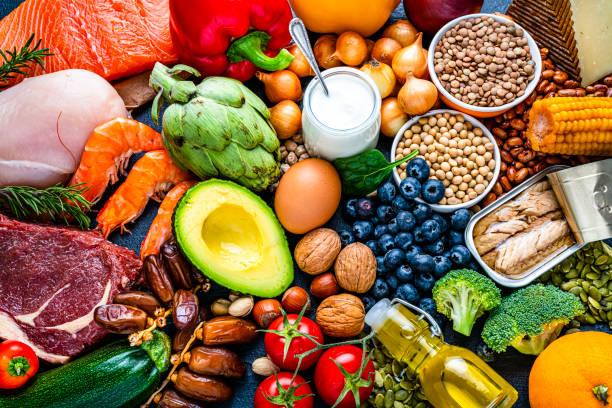
Hope-Nest’s Nutrition Drives focus on delivering healthy, balanced meals to undernourished individuals across urban slums, rural villages, and crisis-affected communities. Many people we serve face daily struggles for food security, making basic nutrition a luxury. Our team ensures every meal contains essential vitamins, proteins, and minerals necessary for healthy growth and immunity. We prioritize children, pregnant women, and the elderly—those most at risk from nutritional deficiencies. By collaborating with local farmers and nutritionists, we create cost-effective, sustainable food packages. Through our efforts, we not only fill empty stomachs but also restore energy, dignity, and hope in the lives we touch.
Our Nutrition Drives go beyond feeding the hungry—they are rooted in educating communities about healthy living. Alongside every distribution, we host nutrition awareness sessions that teach people how to build wholesome meals from affordable, local ingredients. We also provide printed guides and visual aids for ongoing reference. These educational efforts empower families to make informed dietary choices even in limited circumstances. Through interactive workshops, women learn to cook nutrient-rich meals for children using locally sourced produce. Our goal is long-term: not just to relieve hunger temporarily, but to instill knowledge that helps families remain nourished and thrive sustainably over time.
Nutrition Drives are carefully planned and executed with the help of volunteers, healthcare workers, and partner organizations. We conduct assessments to identify areas with the highest levels of malnutrition and food insecurity. Once identified, we deliver dry ration kits, fresh produce, and fortified snacks directly to homes, shelters, and community centers. Seasonal fruits and vegetables are prioritized, and we ensure that culturally appropriate foods are included. In emergencies, we activate rapid-response nutrition kits with ready-to-eat items. Our Nutrition Drives operate with respect, compassion, and attention to every individual’s dignity—because access to nutritious food should be a right, not a privilege.